
The injections take a few minutes. The questions come afterward. Can you still make tonight's spin class? Is a nap a bad idea? What about washing your face before bed?
Most people leave with a list of rules and no reasons behind them. That's usually why people forget the rules by dinner. Good Botox aftercare is simple, and most of it only matters for the first day. Once you know why each instruction exists, it's much easier to follow.
Aftercare supports your result. It can't guarantee one, and it doesn't replace a careful treatment plan from a qualified injector.
What You'll Learn From This Article
- Why most aftercare rules are sensible precautions, and what a large 2025 study found
- The five habits that most often trip people up in the first 24 hours
- How to plan workouts, sleep, and skincare around your appointment
- How long Botox typically takes to show its full effect
- Which side effects are normal, and which ones mean you should call us
Why Botox Aftercare Instructions Exist
Botox is a neuromodulator. It's injected into specific facial muscles to soften the movement behind frown lines, forehead lines, and crow's feet. After the injection, the product needs time to settle in the muscles where it was placed.
Nearly every aftercare instruction has one of two goals. It helps keep the product in the treated area, or it lowers the chance of a bruise at the injection site.
It's also fair to say that much of this advice is precautionary. A 2025 retrospective study of more than 5,000 upper face patients followed a protocol of just 10 minutes of precautions. The researchers saw no cases of eyelid drooping and a low rate of side effects. They were open about the limits, though. There was no control group, and they called for stronger trials before anyone changes standard care.
Our take? The rules are easy, they cost you nothing, and they're worth following. If your provider's instructions differ slightly from what you read online, follow your provider.
The same general aftercare applies to Botox®, Dysport®, and Xeomin®. Still choosing between them? Our guide to Botox vs. Dysport walks through the differences.
With that background in place, the first mistake is one almost everyone makes without noticing.
Mistake 1: Rubbing, Massaging, or Pressing on the Treated Area
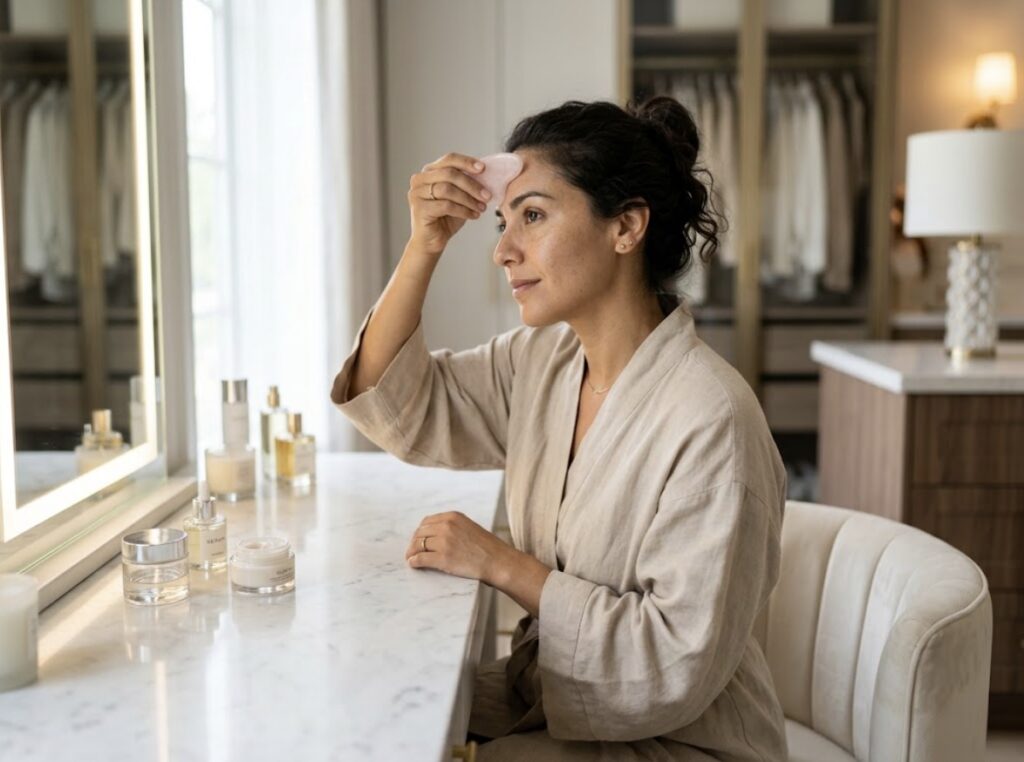
Touching your face is a habit. Most of us rub our forehead or rest a cheek on one hand without thinking about it.
For the rest of your treatment day, keep pressure off the treated areas. That means skipping:
- Facial massage, gua sha, and face rollers
- Tight headbands, hats, or bike helmets that press on your forehead
- Swim goggles or snug sunglasses over treated crow's feet
Why does it matter? Firm pressure in the first hours could push product toward nearby muscles that weren't meant to be treated. That's the concern behind a heavy brow or a drooping eyelid.
Spa and clinical facials fall into this category too. Hold off on a HydraFacial, dermaplaning, or any facial that uses suction or pressure, and ask your provider how long to wait. A clean cold compress held gently is usually fine for swelling.
Your posture in the first few hours matters for a similar reason.
Mistake 2: Lying Down or Bending Over Too Soon

Most providers ask you to stay upright for at least four hours after treatment. That sounds easy until you remember the afternoon nap, the yoga class with inversions, or the weeding you planned to finish.
In the first few hours, avoid lying flat, bending forward for long stretches, or repeatedly lifting small children from the floor.
Treat this as a precaution, not a proven danger. The evidence behind it is limited. The idea is simply to give the product time to settle where your injector placed it.
One easy fix is booking a morning appointment. By the time your workday ends, the four hours are behind you.
That covers rest. Activity is where Colorado Springs patients tend to run into trouble.
Mistake 3: Raising Blood Flow With Exercise, Heat, or Alcohol

This is the mistake we see most often here, and it makes sense. Plenty of our patients train hard. The Manitou Incline, a trail run through Garden of the Gods, or a morning HIIT class feels like part of the day.
For at least 24 hours after treatment, skip anything that sends a rush of blood to your face:
- Strenuous exercise, including running, lifting, and intense classes
- Heat, such as hot yoga, saunas, steam rooms, and hot tubs
- Alcohol, which widens blood vessels
More blood flow can worsen swelling and bruising. Some providers are also cautious because of the small chance of product spreading. A relaxed walk is usually fine the same day.
Bruising deserves its own look, since it's the side effect people notice most.
Lowering Your Chance of a Bruise
A published review reports mild bruising in roughly 11% to 25% of patients. The same review notes that aspirin, NSAIDs like ibuprofen, vitamin E, and supplements such as ginkgo, ginseng, and high doses of garlic may raise bruising risk. Your doctor usually discusses these before your appointment.
Please don't stop a prescribed blood thinner on your own. Share your medications at your consultation, and check with your doctor before changing anything.
Next comes the part of the day most people don't think about: their skincare routine.
Mistake 4: Treating Your Skin Like Nothing Happened
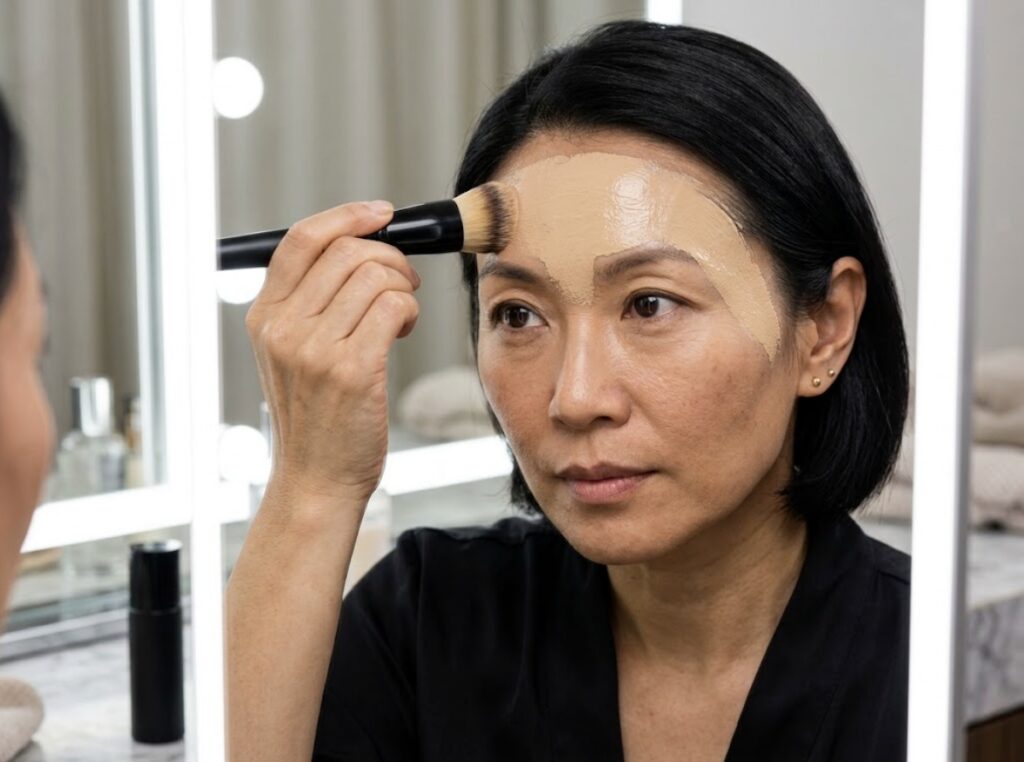
After treatment, your skin has several tiny needle points. They close quickly, but they need a few hours.
The review mentioned above advises keeping your hands off the area and skipping makeup for at least 6 hours. After that, apply makeup gently with clean brushes or sponges.
For the rest of your routine that first day:
- Wash with a gentle cleanser and light fingertips; no scrubbing
- Pause retinoids and exfoliating acids for as long as your provider suggests
- Wait on chemical peels or resurfacing treatments until you're cleared
Sun is worth a mention too. It's strong at our elevation, and skin can feel a bit sensitive with post-treatment redness. After the first few hours, apply mineral sunscreen with a light touch, and choose a wide-brim hat that doesn't sit tight on your forehead.
Once your skin is settled, the last mistake is about patience rather than habits.
Mistake 5: Judging Your Results Too Early
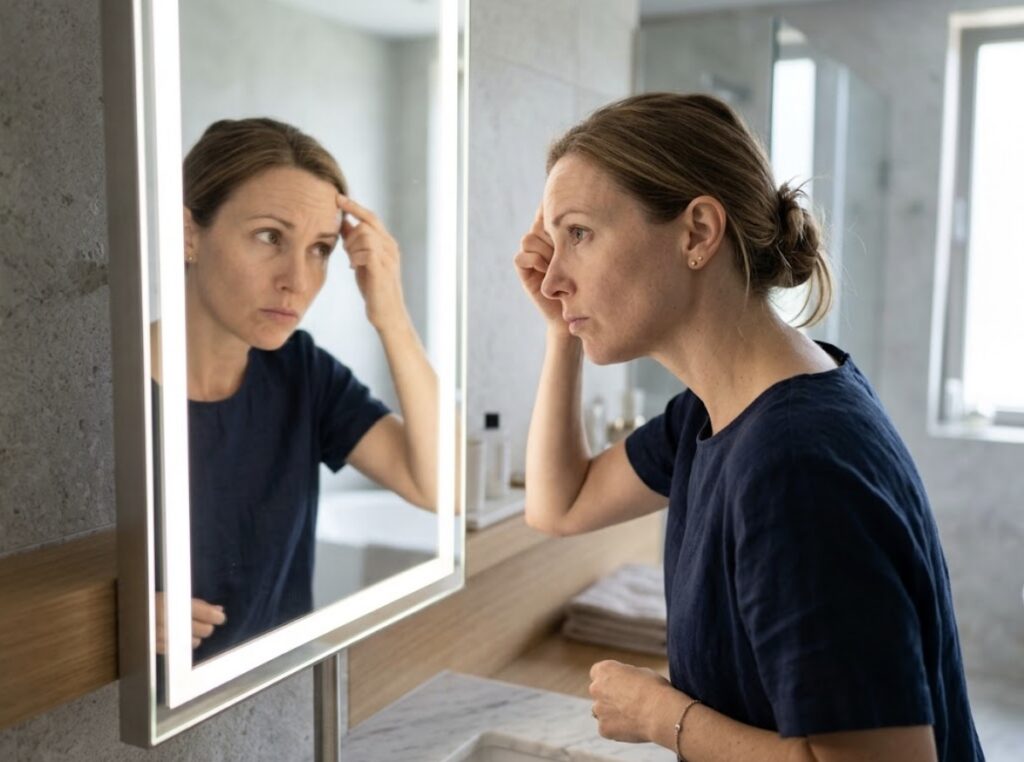
Botox isn't instant. Many people notice early softening within a few days, and the full effect typically takes about two weeks.
Day three is when doubt tends to creep in. One side might look like it's working faster, or the lines might not seem any different yet. That's usually part of the normal process.
Try not to request a touch-up right away. Adjustments are safest once the full effect shows, which is why we often schedule a follow-up visit around two weeks. Your provider can then see the real result and decide whether a small change makes sense.
How long do results last? It varies. Many patients see results for about three to four months, depending on dose, muscle strength, and individual metabolism.
Along the way, it helps to know what to expect and what isn't.
What's Normal After Botox and When to Call Your Provider
Most side effects are mild and short-lived. A 2021 review in the Journal of Cosmetic Dermatology describes Botox as quite safe while noting it can still cause adverse effects, which vary by facial area.
Usually normal and temporary:
- Mild redness or small bumps at injection points that often fade within an hour
- A small bruise or tenderness at the injection site
- A mild headache for a day or two
Call the clinic if you notice a drooping eyelid or uneven brow. The Advances in Dermatology and Allergology review puts eyelid drooping at roughly 1% to 5% after frown line treatment. It's usually temporary, but it should be checked.
Seek urgent medical care for difficulty swallowing, breathing, or speaking, or for widespread muscle weakness. These reactions are rare and are linked to the toxin spreading beyond the treated area. The same review notes they're more often tied to larger doses, such as neck treatments.
To make the first two weeks easy to follow, here's everything in one place.
A Simple Botox Aftercare Timeline
Your provider's instructions may vary a little depending on the area treated, so treat this as a general guide.
| Time after treatment | What to do | What to skip |
| First 10 minutes | Stay seated and follow in-clinic instructions | Touching the area |
| First 4 hours | Stay upright | Naps, lying down, bending over |
| First 6 hours | Keep your hands off your face | Makeup |
| First 24 hours | Light walking, gentle cleanser | Strenuous exercise, heat, alcohol, massage, facials |
| Days 3 to 14 | Let results develop | Judging the final result |
| Around 2 weeks | Attend your follow-up visit if advised | Booking a touch-up on your own |
Frequently Asked Questions About Botox Aftercare in Colorado Springs
1. How long after Botox can I work out?
Most providers recommend waiting at least 24 hours before strenuous exercise, including running, lifting, and hot yoga. A light walk is usually fine the same day. If you train daily, try booking on a rest day.
2. Can I sleep on my face the night after Botox?
Stay upright for about four hours first. By bedtime, most people can sleep normally. Some providers suggest sleeping on your back the first night as an added precaution, which is worth trying if it's comfortable.
3. When can I wear makeup after Botox?
Wait at least 6 hours so the injection points can close. After that, apply it gently with clean tools and avoid rubbing the treated areas.
4. Is it normal to bruise or get a headache after Botox?
Yes. Both are common and usually fade within a few days. A gentle cold compress can help with swelling. Call your provider if a bruise grows or a headache doesn't improve.
5. When should I follow up with my Botox provider in Colorado Springs?
A visit around two weeks is common, since that's when the full effect is visible. Reach out sooner for eyelid drooping or unevenness, and seek urgent care right away for trouble swallowing or breathing.
Your Next Step With Botox in Colorado Springs
Botox aftercare comes down to a few easy habits in the first 24 hours, plus a little patience while results develop. Halle Friedman, RN, BSN, MBA, CANS, leads our practice, and every patient leaves with clear aftercare instructions and a follow-up plan. We're veteran-owned and proud to offer a military discount.
Curious what treatment and recovery would look like around your schedule? Book a complimentary consultation, and we'll talk through your goals, your options, and what to expect afterward.